If you’re searching for brahma chickens for sale, you’re probably looking for a large, calm, and eye-catching breed that does well in backyard flocks. Brahma chickens are famous for their size, feathered legs, gentle temperament, and cold-weather hardiness. In this SEO-friendly guide, you’ll learn the colors of brahma chickens, the differences between light brahma chickens, dark brahma chickens, and buff brahma chickens, plus tips for the best chicken coop for brahma chickens and when do brahma chickens start laying eggs.
What Are Brahma Chickens?
Brahma chickens are a heavyweight, dual-purpose breed originally developed for both meat and egg production. Today, many people keep them for:
-
Their calm, friendly personality
-
Beautiful feathering (including feathered shanks/feet)
-
Cold tolerance
-
Impressive size and “gentle giant” reputation
Because they’re large and usually docile, Brahmas are a popular choice for families and mixed-breed flocks.
Colors of Brahma Chickens
One reason people shop for brahma chickens for sale is the variety of color patterns. The most common colors of brahma chickens include:
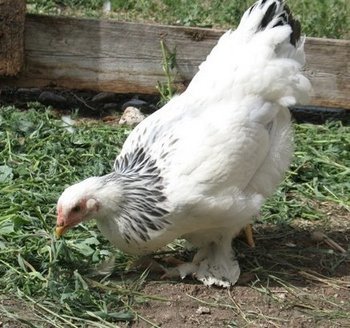
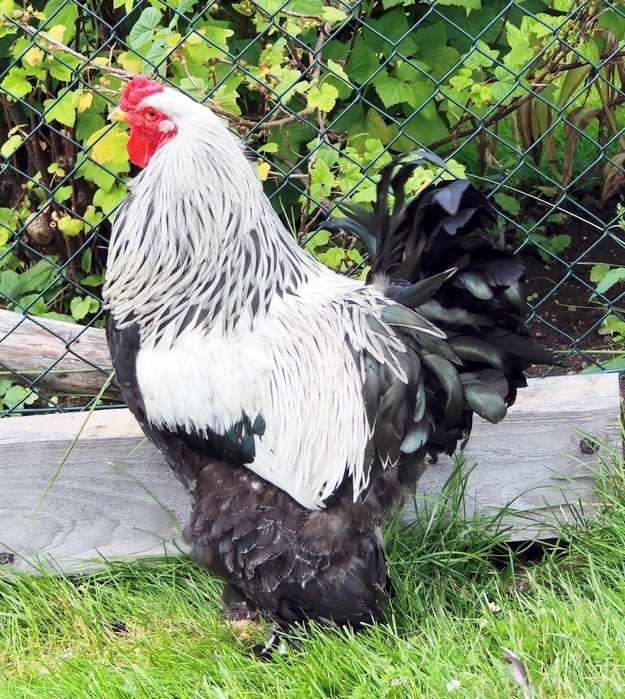
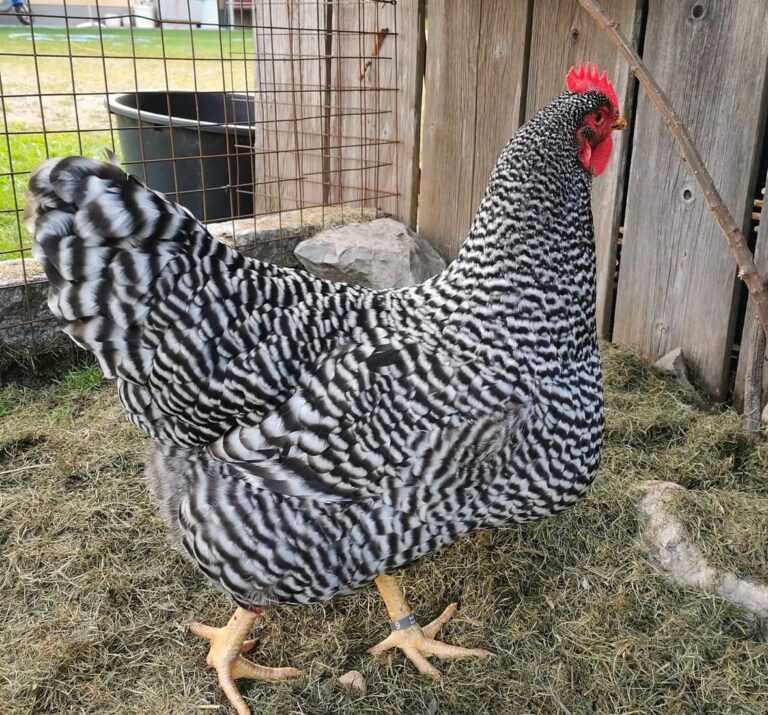
Light Brahma Chickens
Light brahma chickens are typically:
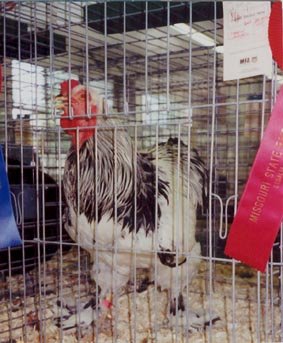
They’re one of the most recognizable Brahma varieties and are especially popular for backyard flocks and shows.
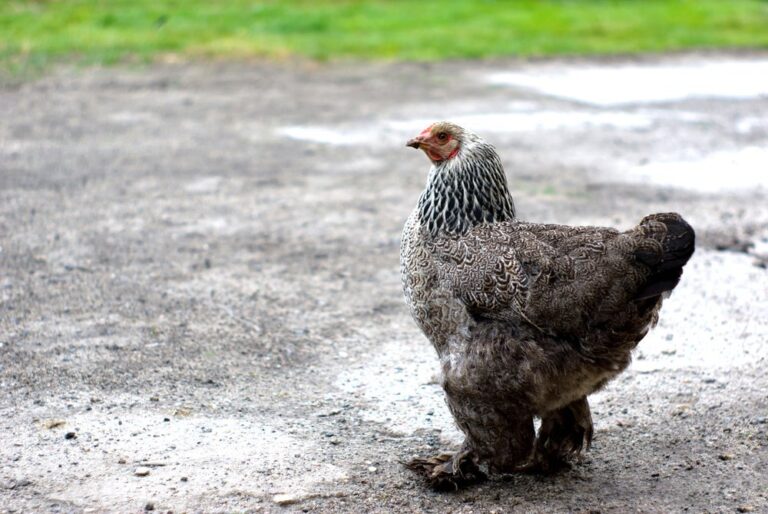
Dark Brahma Chickens
Dark brahma chickens have a more complex, striking pattern. In general:
Searches often include dark brahmas chickens or dark brahmas chickens—these are usually referring to the Dark Brahma variety.
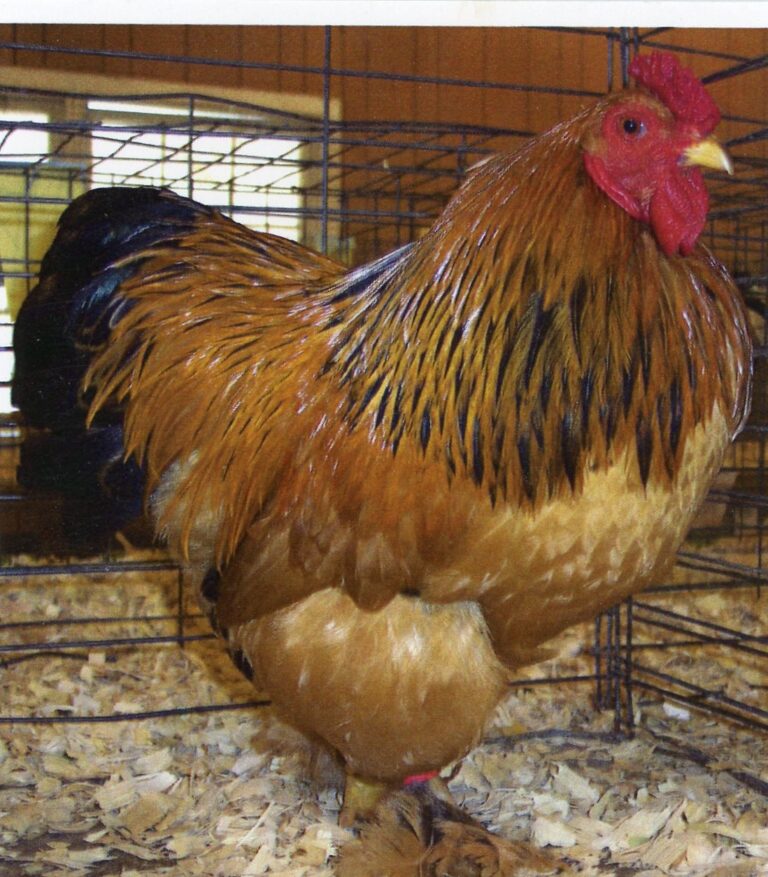
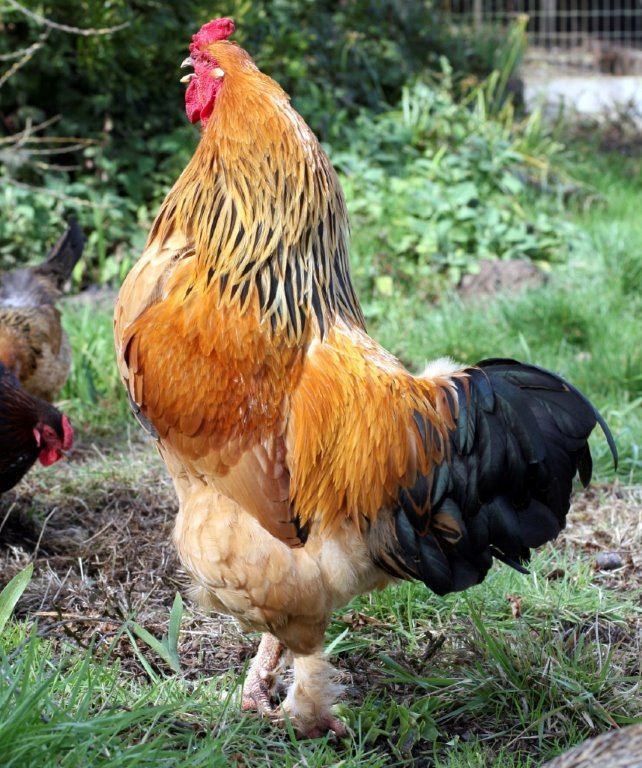
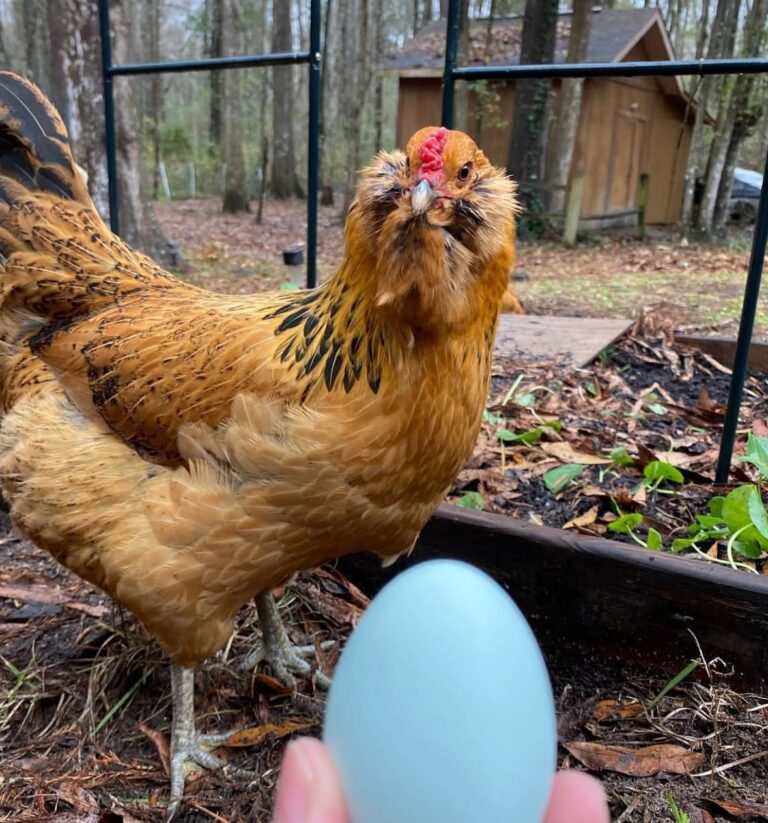
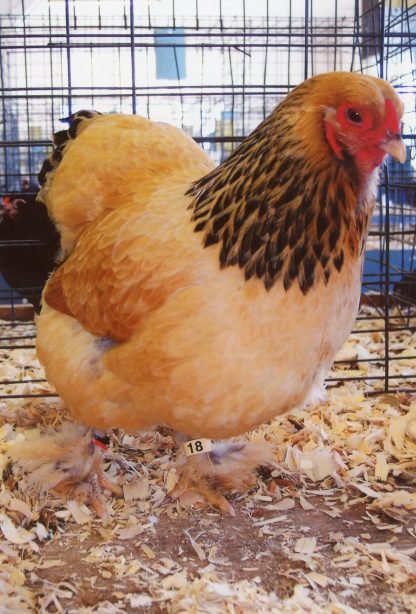
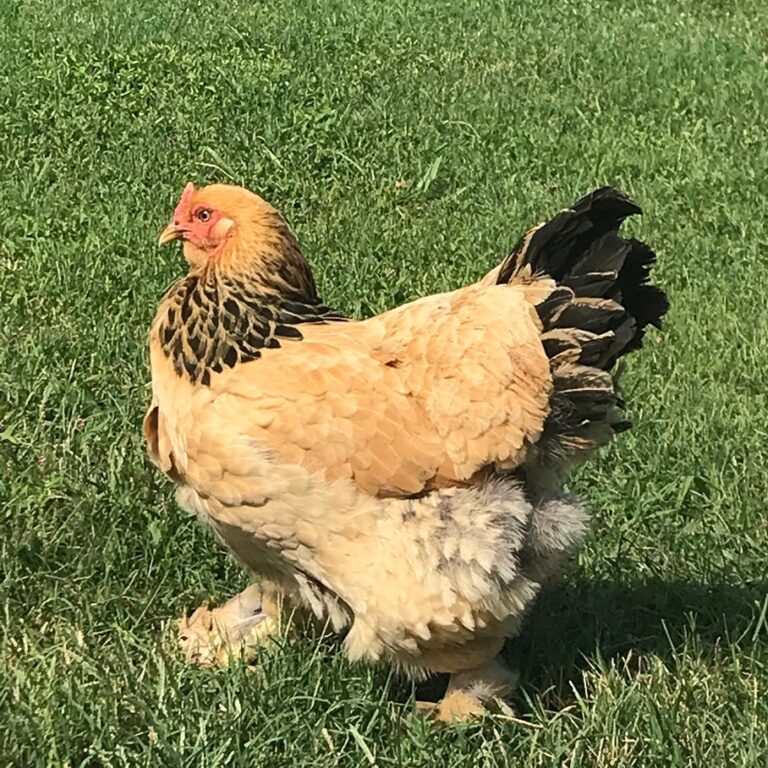
Buff Brahma Chickens
Buff brahma chickens are known for warm, golden-buff coloring with darker accents around the tail and neck. People love them for their “golden” look, and they can be a standout in any flock.
Brahma Chickens Temperament and Flock Compatibility
Brahmas are often called “gentle giants” because they tend to be:
Are Brahmas Good With Other Chickens?
Usually yes, but because they’re large, they do best with:
When Do Brahma Chickens Start Laying Eggs?
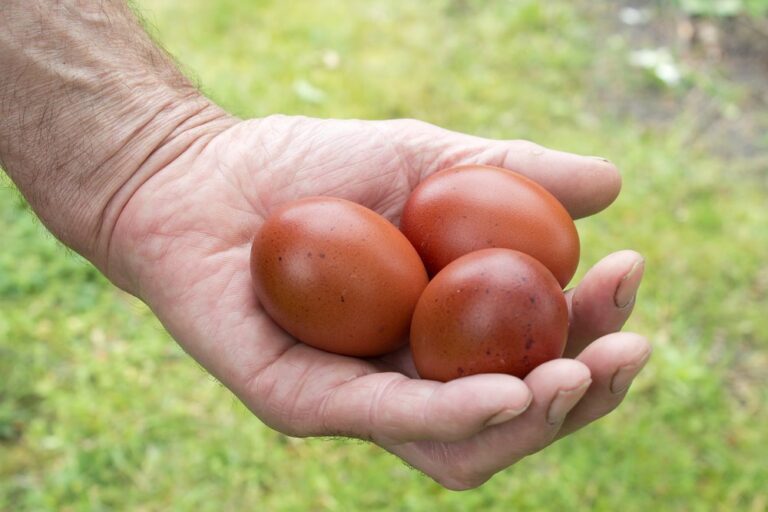
A common question is when do brahma chickens start laying eggs. Brahmas mature more slowly than many lighter breeds, so they often start laying later.
Most Brahma hens begin laying around:
Some can start earlier or later depending on:
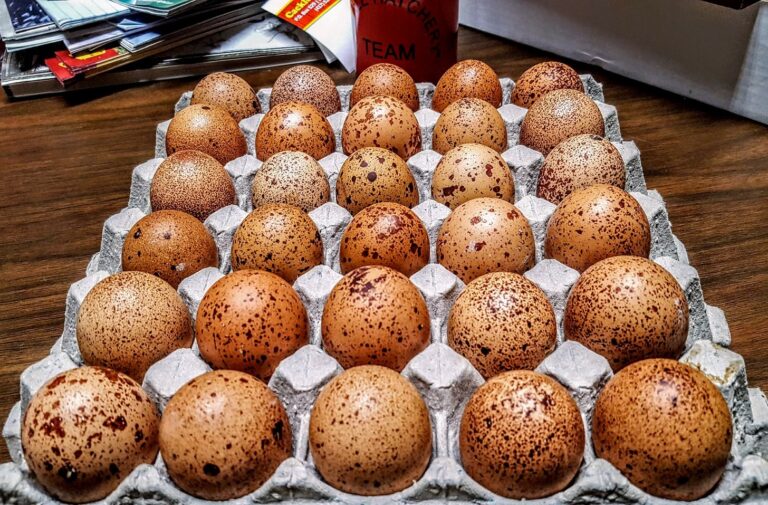
What to Expect From Brahma Egg Production
Brahmas typically lay:
They can also do well laying into cooler months because they handle cold weather better than many breeds.
Chicken Coop for Brahma Chickens: Best Setup Tips
Because Brahmas are big-bodied with feathered feet, choosing the right chicken coop for brahma chickens is essential.
Space Requirements
Brahmas need more space than smaller breeds:
Roosting Bars
Brahmas are heavy and can injure themselves if roosts are too high. Use:
Nest Boxes
Because they are large:
Bedding and Foot Care
Feathered feet can collect mud and moisture, so:
-
Keep bedding dry and clean
-
Use good drainage in outdoor runs
-
Avoid consistently wet ground (helps prevent foot problems)
Ventilation Without Drafts
Good airflow prevents moisture buildup, but avoid strong drafts directly on roosting birds—especially in winter.
If you’re browsing brahma chickens for sale, choose based on your goals and experience level.
Chicks vs Pullets vs Adults
-
Chicks: cheapest, but you’ll wait longer for eggs
-
Pullets: best if you want eggs sooner and more certainty
-
Adults: good if you want immediate laying (ask for laying history)
Questions to Ask the Seller
-
Exact variety: light, dark, or buff brahma chickens
-
Age (in weeks/months)
-
Health history and current feed
-
Temperament notes
-
Whether birds are sexed (hen vs rooster)
Red Flags
-
No clear pictures or variety labeling
-
Birds kept in unsanitary conditions
-
Seller can’t provide age/health basics
Quick Comparison: Light vs Dark vs Buff Brahma Chickens
-
Light Brahma Chickens: classic white/black pattern, very common
-
Dark Brahma Chickens: more detailed, dramatic penciling and contrast
-
Buff Brahma Chickens: warm golden tones, standout appearance
All three are generally similar in temperament and care needs—your choice often comes down to looks and availability.
Final Thoughts
If you want a calm, impressive breed with beautiful variety options, brahma chickens are a smart pick. Now you know the main colors of brahma chickens, how to set up a proper chicken coop for brahma chickens, and when do brahma chickens start laying eggs (often 6–8 months).