Description
Barred Plymouth Rock Chicken – Premium Heritage Breed for Backyard Flocks & Sustainable Poultry Farming
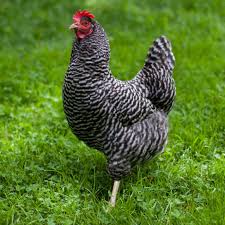
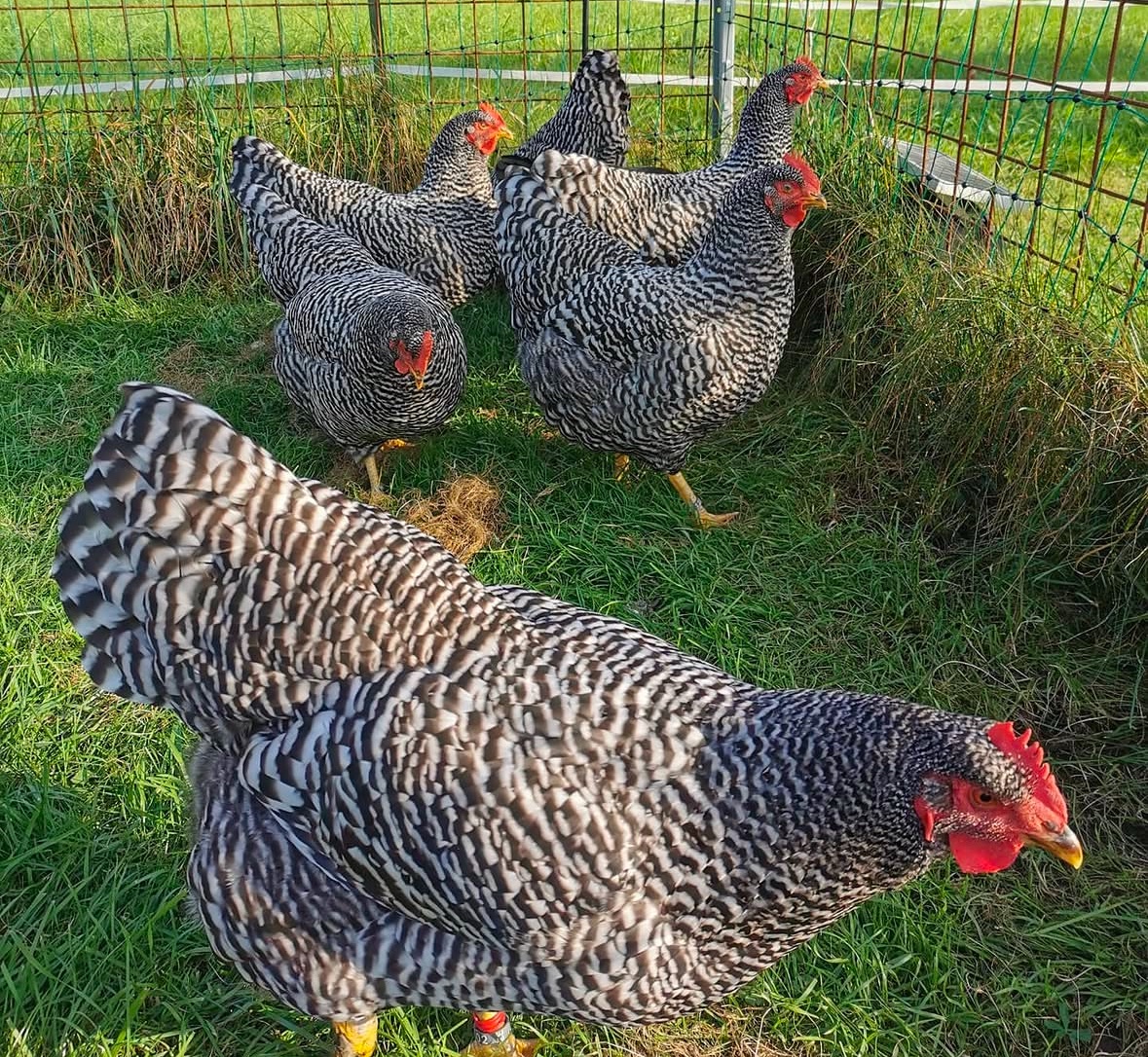
The Barred Plymouth Rock chicken is one of the most trusted, productive, and beginner-friendly dual-purpose heritage breeds in the United States. Known for its distinctive black-and-white barred plumage, calm temperament, excellent egg production, and reliable meat yield, this breed remains a top choice for backyard farmers, homesteaders, and commercial breeders.
At The Hen House Hatchery (USA-based breeder), we specialize in high-quality, pure-strain Barred Plymouth Rock chicks bred for performance, health, and consistency. Whether you are building a backyard flock or expanding a poultry business, this guide explains everything you need to know before buying.
What is the Barred Plymouth Rock Chicken?
The Barred Plymouth Rock chicken is an American heritage breed developed in the 1800s. It is widely recognized as a dual-purpose chicken, meaning it is suitable for both egg production and meat production.
Scientifically and historically valued by poultry organizations such as the American Poultry Association, the breed has remained a consistent favorite due to its adaptability and productivity.
Key Breed Identity
- Breed Name: Barred Plymouth Rock
- Type: Dual-purpose (eggs + meat)
- Origin: United States
- Feather Pattern: Black and white barred plumage
- Temperament: Calm, friendly, docile
- Purpose: Backyard farming, homesteading, small commercial poultry
Why Choose Barred Plymouth Rock Chickens?
Choosing the right breed determines your flock’s long-term success. The Barred Plymouth Rock stands out because it offers balance hardiness, productivity, and ease of care.
1. Excellent Egg Production
Barred Plymouth Rocks are consistent layers, producing approximately:
- 200–280 brown eggs per year
- Strong laying performance even in colder climates
This makes them ideal for families and small farms looking for steady egg supply.
2. High-Quality Meat Production
As a dual-purpose breed, they mature into:
- Well-fleshed birds
- Strong carcass weight
- Flavorful heritage poultry meat
3. Beginner-Friendly Temperament
This breed is:
- Calm around humans
- Easy to handle
- Non-aggressive toward other chickens
Perfect for first-time chicken keepers.
4. Cold and Heat Hardy
They adapt well to:
- Cold winters
- Hot summers
- Free-range or confined systems
5. Long Lifespan & Strong Genetics
When properly bred, Barred Plymouth Rocks maintain:
- High survivability
- Strong immune system
- Consistent productivity
Barred Plymouth Rock Appearance and Physical Traits
Signature Feather Pattern
The most recognizable feature is the black-and-white barred feathering, giving the bird a striped appearance.
Body Structure
- Medium to large size
- Broad chest
- Strong legs
- Upright posture
Comb and Wattles
- Single red comb
- Medium-sized wattles
- Bright red coloration indicating good health
Sex Identification
At hatch, sexing is often easier due to slight differences in barring clarity between males and females.
Egg Production Performance (What to Expect).
1.Laying Age
Barred Plymouth Rock hens typically begin laying at:
2.Egg Color & Size
- Egg color: Light to medium brown
- Egg size: Medium to large
3.Laying Frequency
- 4–6 eggs per week under optimal conditions
4.Seasonal Performance
Unlike some breeds, they maintain decent winter laying capacity.
Temperament & Behavior
Docile Nature
Barred Plymouth Rocks are known for their calm behavior, making them suitable for families and children.
Social Compatibility
They integrate well with mixed flocks and rarely cause aggression issues.
Foraging Ability
They are excellent foragers and enjoy:
This reduces feed costs for free-range systems.
Barred Plymouth Rock Chick Care (From Hatch to Adult)
Brooding Stage (0–6 Weeks)
Key requirements:
- Warm brooder (95°F first week, reduce weekly)
- Clean water supply
- High-protein chick starter feed (18–20%)
Growing Stage (6–16 Weeks)
- Transition to grower feed
- Increase space to prevent overcrowding
- Introduce mild outdoor exposure
Pullets (16+ Weeks)
- Layer feed introduction
- Nest box training
- Monitor pre-laying development
Housing Requirements for Optimal Growth
Coop Space
- Minimum 4 square feet per bird indoors
- Proper ventilation is essential
Outdoor Run
- 8–10 square feet per bird recommended
Nest Boxes
- 1 box per 3–4 hens
- Soft bedding for egg protection
Predator Protection
Secure fencing is required to protect against:
Feeding Requirements for Barred Plymouth Rock Chickens
Starter Feed (0–6 weeks)
- High protein (18–20%)
- Essential vitamins and minerals
Grower Feed (6–18 weeks)
- Moderate protein (16–18%)
Layer Feed (18+ weeks)
- Calcium-rich feed (16–17% protein)
Supplementary Feeding
- Grains (corn, wheat)
- Kitchen scraps (safe foods only)
- Grit for digestion
Health Management & Disease Prevention
Common Health Concerns
- Respiratory infections
- Parasites (mites, lice)
- Egg-laying issues (rare in healthy flocks)
Preventive Care
- Clean water daily
- Regular coop sanitation
- Vaccination programs (where applicable)
Biosecurity Practices
- Limit visitor access to flock
- Quarantine new birds
- Disinfect equipment regularly
Breeding Ratio
Fertility Rate
- High fertility under proper management
Hatching Success
- Strong hatch rates in controlled incubation systems
Selection Criteria
Select breeders based on:
- Feather clarity
- Body size
- Egg production history
- Temperament
Why Buy from The Hen House Hatchery
At The Hen House Hatchery, we specialize in high-quality poultry breeding with a focus on genetic consistency and customer satisfaction.
What Makes Us Different
- Ethically bred stock
- Strong genetic lineage
- Health-checked chicks
- Reliable shipping practices (USA standard compliance)
Customer Assurance
We prioritize:
- Healthy arrival guarantee
- Support for new poultry owners
- Transparent breeding practices
Explore More Products
You can view additional poultry breeds and related farm stock through our main shop section:
“Browse all available breeds and poultry stock” (Shop navigation available on our website)
Barred Plymouth Rock vs Other Chicken Breeds
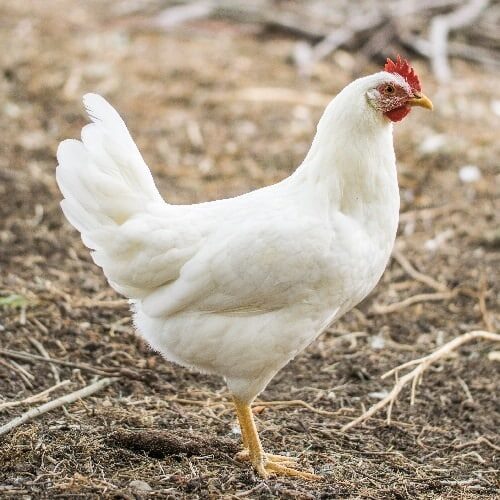
Compared to Leghorn
- Plymouth Rock: better meat quality
- Leghorn: higher egg quantity but less docile
Compared to Rhode Island Red
- Plymouth Rock: calmer temperament
- Rhode Island Red: slightly higher egg production
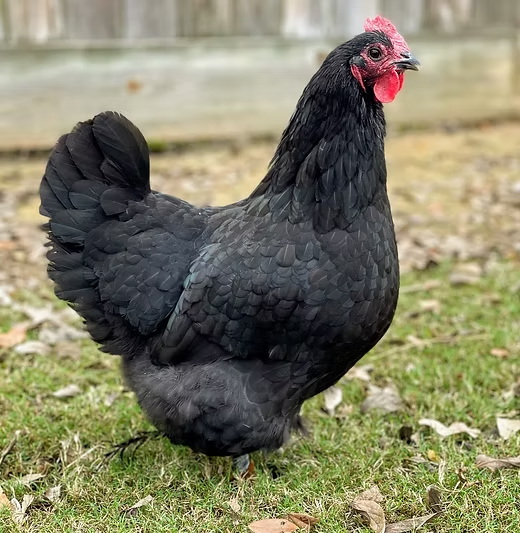
Compared to Orpington
- Plymouth Rock: more active forager
- Orpington: heavier body size
Ideal Buyers for Barred Plymouth Rock Chickens
Backyard Chicken Keepers
Perfect for families wanting fresh eggs.
Homesteaders
Ideal for self-sufficient food production systems.
Small Farms
Balanced meat and egg production supports income generation.
Educational Farms
Great for teaching poultry care due to calm temperament.
Poultry Knowledge Sources
To strengthen credibility and topical authority, industry-recognized organizations support breed standards and poultry education:
- The Livestock Conservancy – Focuses on preserving heritage poultry breeds including Plymouth Rock lines.
- American Poultry Association – Defines official breed standards for Plymouth Rock chickens.
These institutions validate the historical and agricultural importance of the Barred Plymouth Rock breed.
Final Buying Recommendation
If you are looking for a reliable, productive, and easy-to-raise chicken breed, the Barred Plymouth Rock is one of the best investments for your flock.
You benefit from:
- Strong egg production
- Excellent meat quality
- Friendly temperament
- Hardiness in multiple climates
- Beginner-friendly care requirements
At The Hen House Hatchery, we ensure that every chick is bred for performance, health, and long-term productivity.
Order Your Barred Plymouth Rock Chickens Today
Start building your flock with confidence by choosing a trusted US breeder.
You can:
- Visit our main hatchery website for full details
- View the specific product listing for Barred Plymouth Rock chicks
- Explore more poultry breeds and farming options in our shop section



Reviews
There are no reviews yet.