Buff Orpington: Egg Color, Egg Production, Lifespan, and Buying Guide
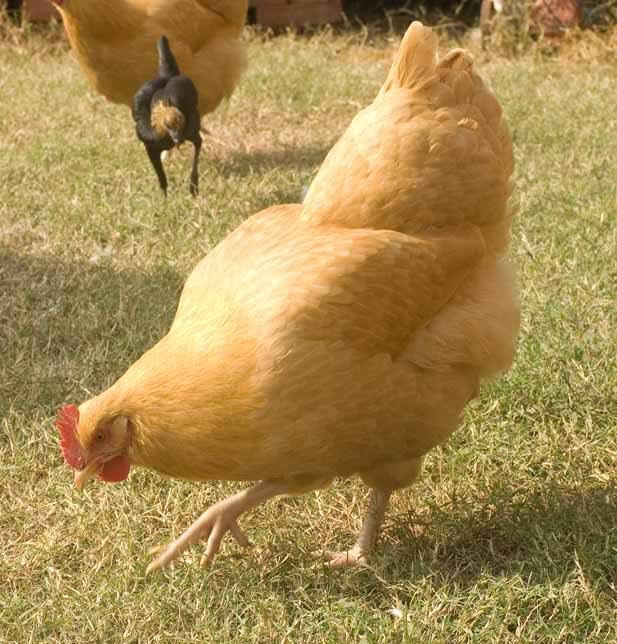
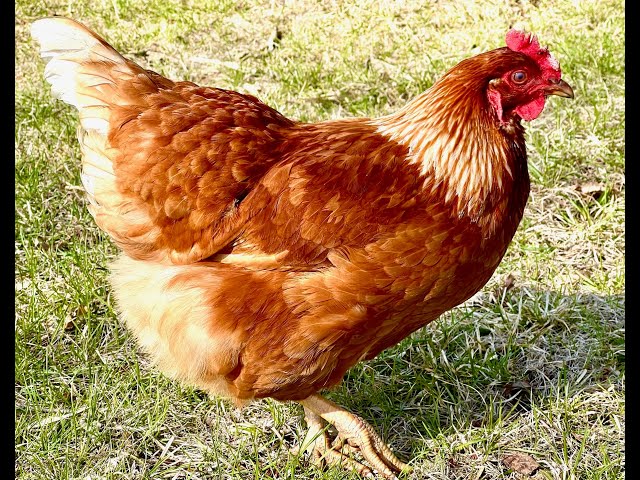
The Buff Orpington is one of the most loved backyard chicken breeds—and it’s easy to see why. With their fluffy golden feathers, calm personality, and dependable laying habits, buff orpington chickens fit perfectly into family flocks, small farms, and homesteads. If you’re researching buff orpington chicken egg production, wondering what color eggs do buff orpingtons lay, or comparing a buff orpington rooster to a buff orpington hen, this guide covers it all in a clear, SEO-friendly way.
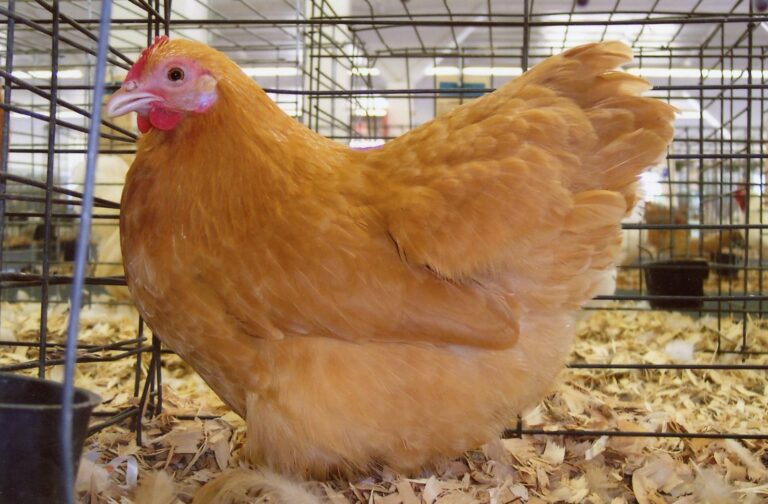
A buff orpington chicken is a large, dual-purpose breed known for being:
-
Gentle and easy to handle
-
Cold-hardy with thick feathering
-
Great for backyard flocks and beginners
-
Reliable for both eggs and (traditionally) meat production
Because they’re so friendly, buff orpington chickens are often described as “lap chickens” when raised with regular human contact.
Understanding the difference between a buff orpington hen and a buff orpington rooster helps you plan your flock—especially if your goal is eggs, breeding, or a balanced setup.
Buff Orpington Hen
-
Usually calmer and quieter than roosters
-
Lays consistently when healthy and well-fed
-
Typically has a smaller comb and wattles than roosters
-
Larger body size and more upright posture
-
Often develops a bigger comb and wattles
-
Can be protective of hens and the flock
A buff orpington hen and rooster pairing is common for people who want fertile eggs or plan to breed. A good rooster can help:
-
Keep hens organized and safe while free-ranging
-
Improve flock alertness to predators
-
Maintain breeding potential (if that’s your goal)
Buff Orpington Life Expectancy
A common question is buff orpington life expectancy. With proper care, many Buff Orpingtons live around:
What Affects Their Lifespan?
-
Predator protection (secure coop/run matters a lot)
-
Clean living conditions and parasite control
-
Balanced nutrition and consistent fresh water
-
Avoiding obesity (a common issue in heavier breeds)
-
Climate management (shade in heat, dry coop in cold)
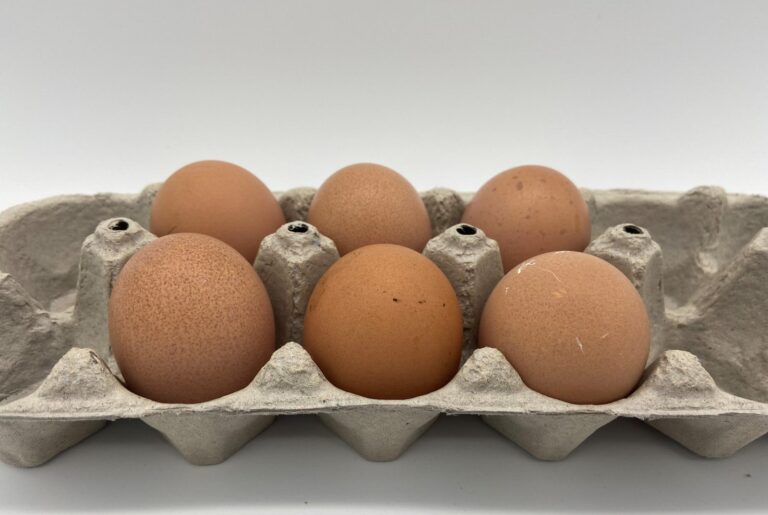
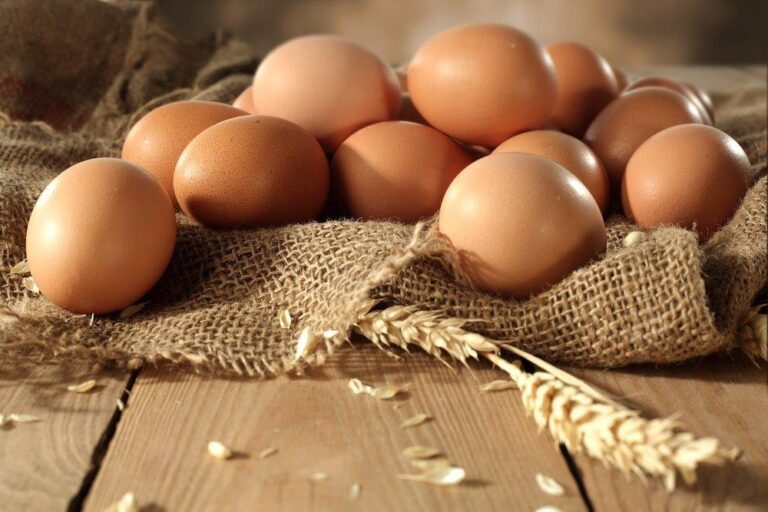
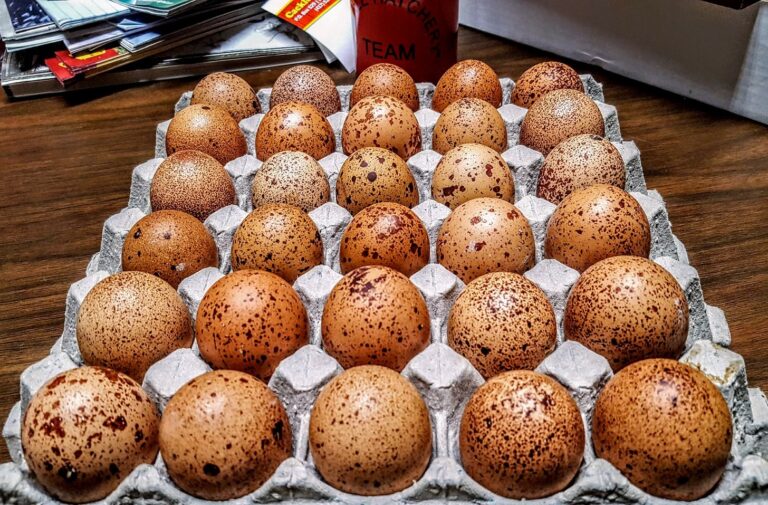
If you’re asking what color eggs do buff orpingtons lay, the answer is:
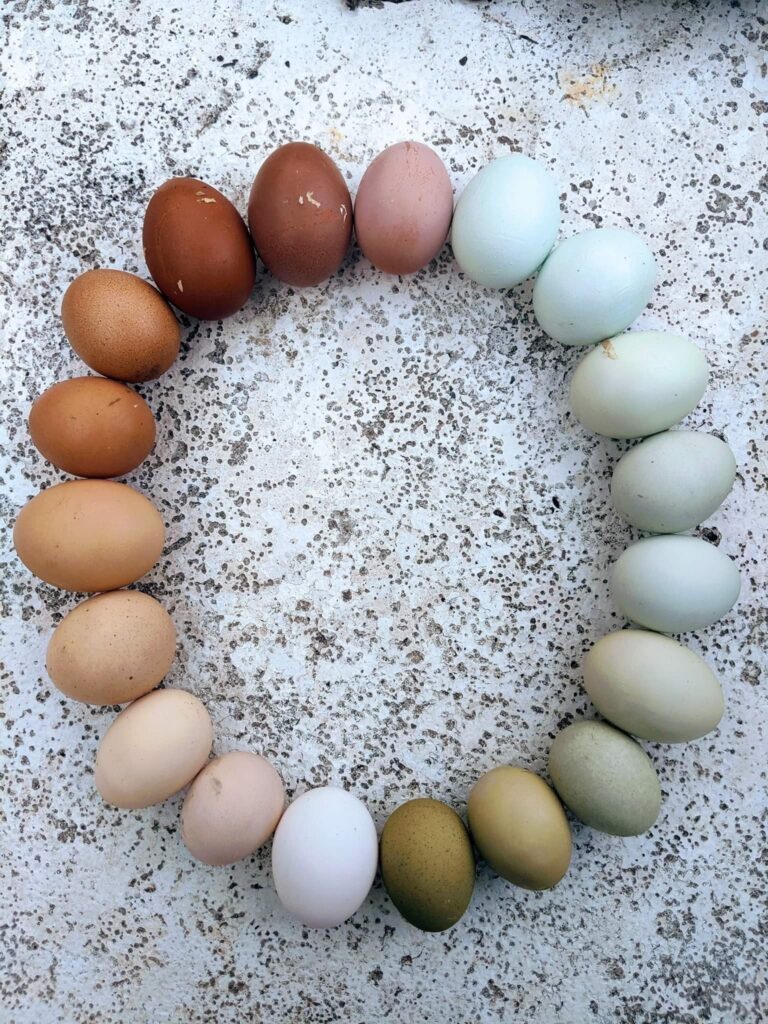
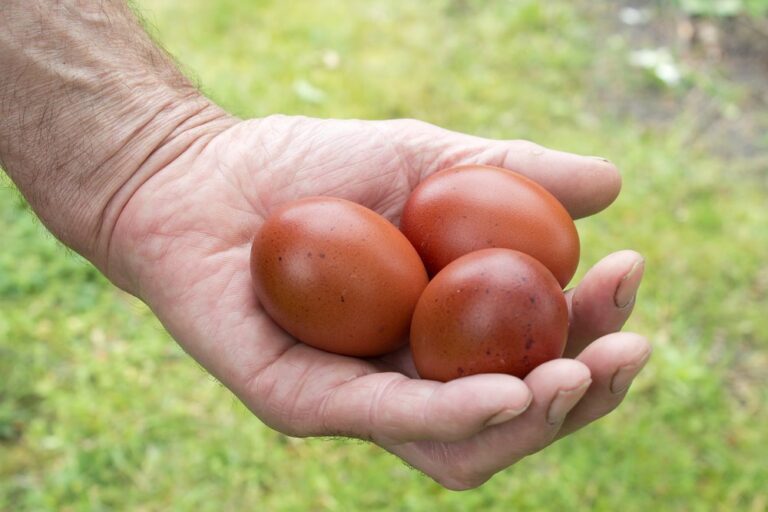
Egg shade can vary slightly by individual genetics, diet, and the hen’s age, but Buff Orpingtons are known as dependable brown egg layers.
Another top search is buff orpington chicken egg production. Buff Orpington hens are typically steady layers and often produce:
When Do Buff Orpingtons Lay Best?
Egg production is usually strongest when:
-
Days are longer (spring and summer)
-
Nutrition is consistent (quality layer feed + calcium support)
-
Stress is low (safe coop, stable flock, minimal disruptions)
Why Egg Production Can Slow Down
It’s normal for production to dip during:
-
Winter (shorter daylight)
-
Molting (feather replacement)
-
Heat waves
-
After illness or parasite problems
Because Buff Orpingtons are heavy-bodied and fluffy, they do best with simple, consistent care.
Coop and Run Setup
-
Dry bedding and good ventilation
-
Enough roost space (avoid overcrowding)
-
Clean nest boxes (1 per 3–4 hens)
Feeding for Strong Egg Production
-
Grower feed for young birds
-
Transition to layer feed near laying age
-
Oyster shell available free-choice for hens
-
Occasional healthy treats, but avoid overfeeding
Health and Maintenance
If you’re searching buff orpington chickens for sale, focus on quality and flock fit.
Choose Based on Your Goal
-
Chicks: best if you want to raise from the start
-
Pullets: great if you want eggs sooner
-
Adult hens: good for immediate laying (if currently laying)
-
Breeding pair (hen and rooster): best for fertile eggs and future chicks
Questions to Ask the Seller
-
Age and whether they’re sexed (hen vs rooster)
-
Current feed type
-
Health history or vaccinations (if applicable)
-
Any known issues (limping, respiratory symptoms, past parasites)
Red Flags
-
No clear photos or age info
-
Birds kept in poor conditions
-
Seller can’t answer basic health or care questions
Yes. Their calm temperament and reliable laying make them one of the easiest breeds to start with.
Many are gentle, but temperament depends on handling and genetics. Consistent calm handling and enough space helps.
They can. Some hens become broody (want to sit on eggs), which can temporarily reduce egg laying.
Final Thoughts
If you want a friendly, fluffy chicken with steady brown eggs, buff orpington chickens are a top-tier choice. Now you know what color eggs do buff orpingtons lay (brown), what to expect from buff orpington chicken egg production, and the typical buff orpington life expectancy with good care.