Easter Eggers: Egg Colors, Bantams, Rooster vs Hen, and Buying Guide
If you want a friendly backyard bird that lays a rainbow of eggs, the easter egger chicken is one of the best choices. Easter egger chickens are known for their variety of looks, gentle personalities, and most of all—beautiful egg colors. In this guide, you’ll learn what makes Easter Eggers unique, how to tell an easter egger rooster vs hen, what to know about easter egger bantam varieties, and what to check before buying easter egger chickens for sale.
What Is an Easter Egger Chicken?
An easter egger chicken is not a single standardized breed in the way a Rhode Island Red or Barred Rock is. Instead, Easter Eggers are typically mixed-breed chickens that carry the “blue egg” gene, often linked to Ameraucana or Araucana ancestry.
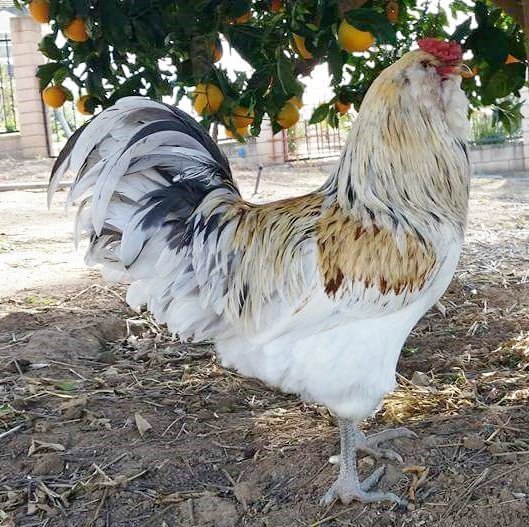
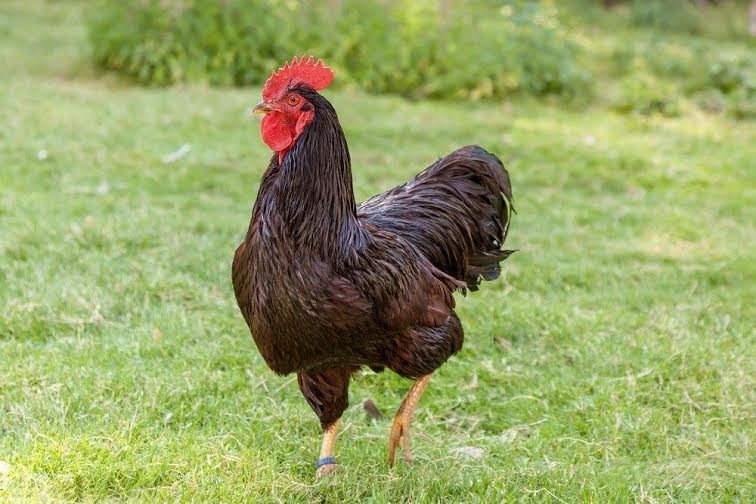
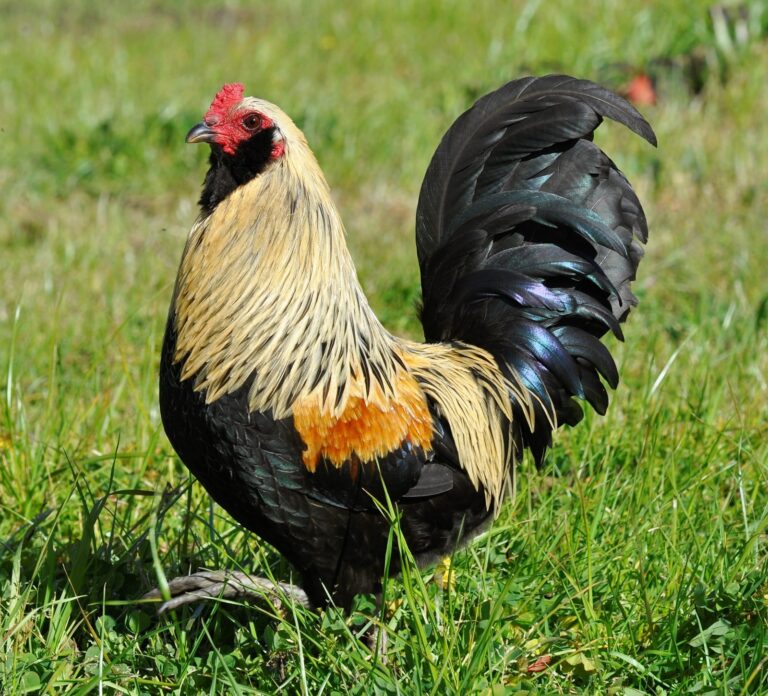
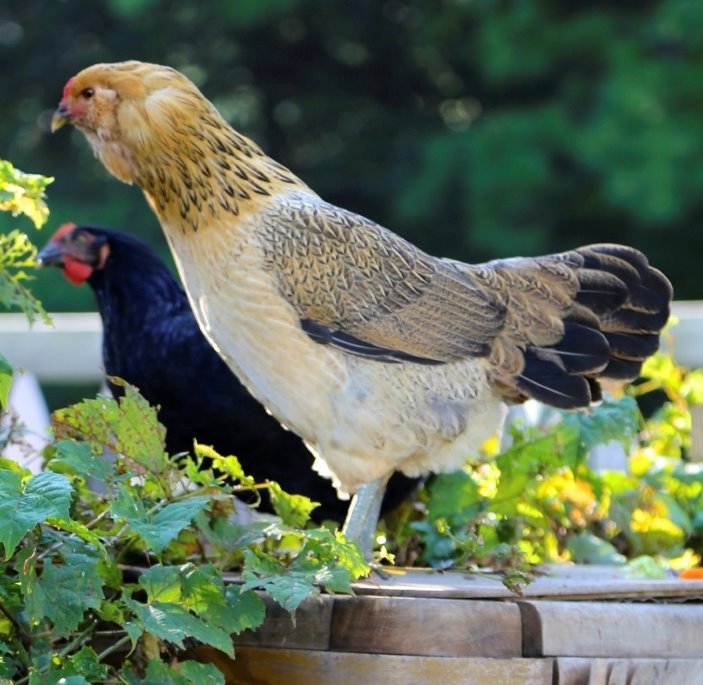
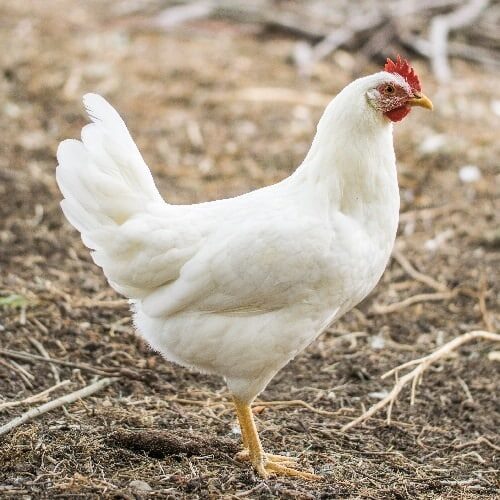
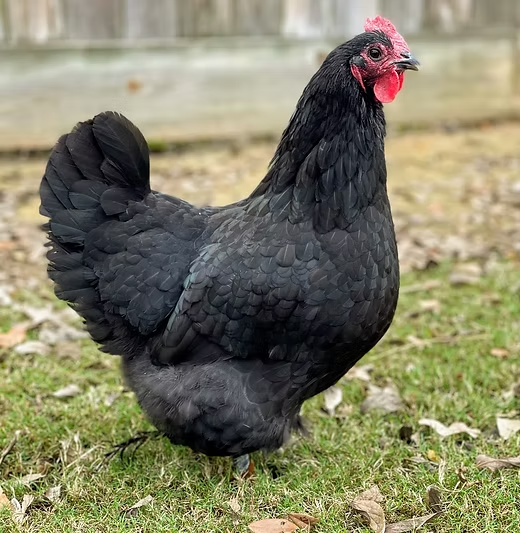
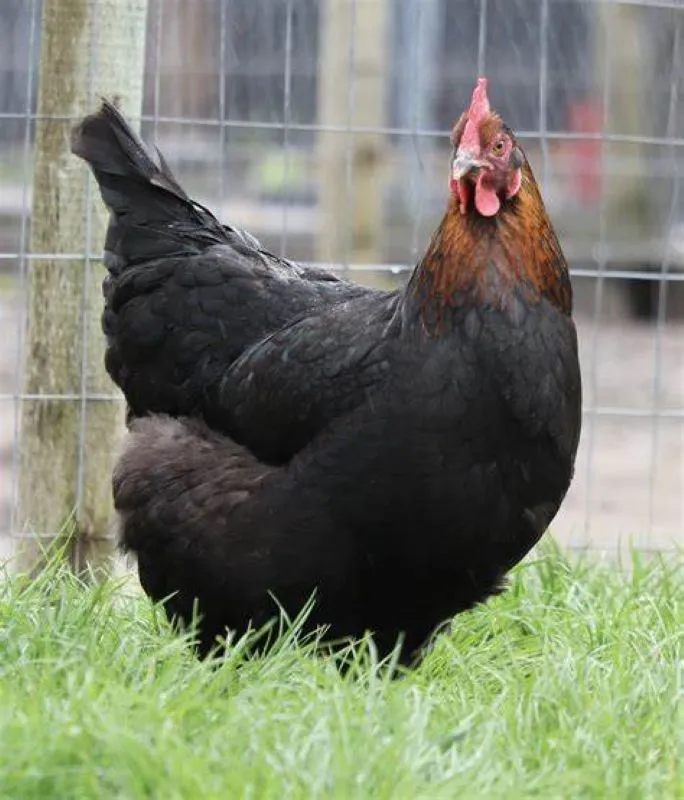
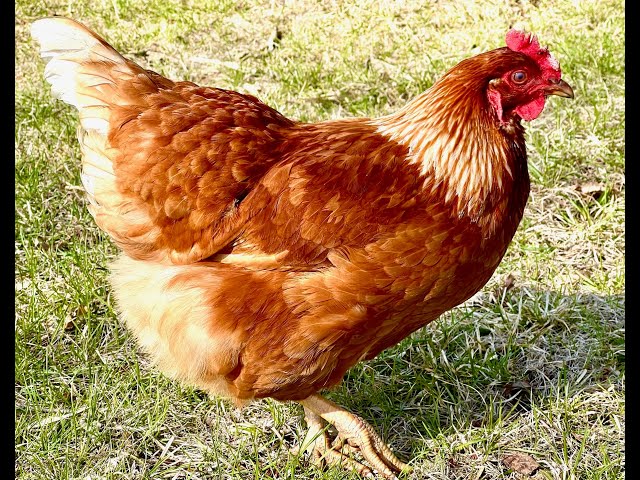
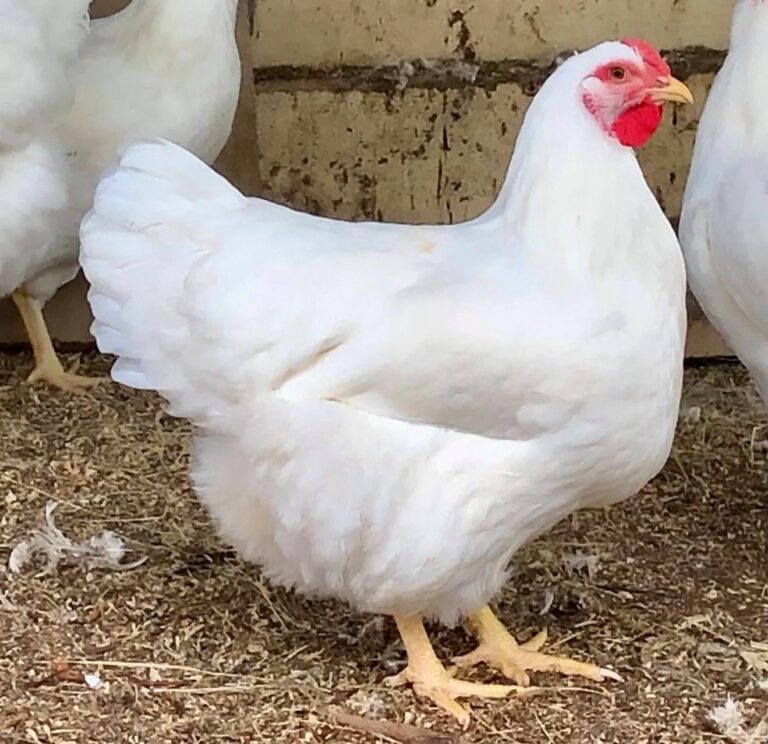
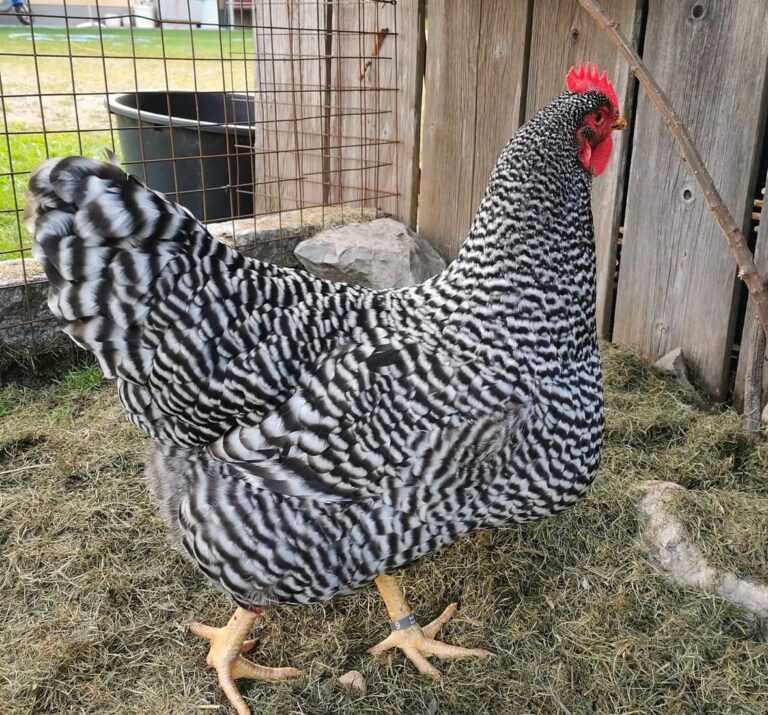
That’s why easter egger chickens can look very different from one bird to the next:
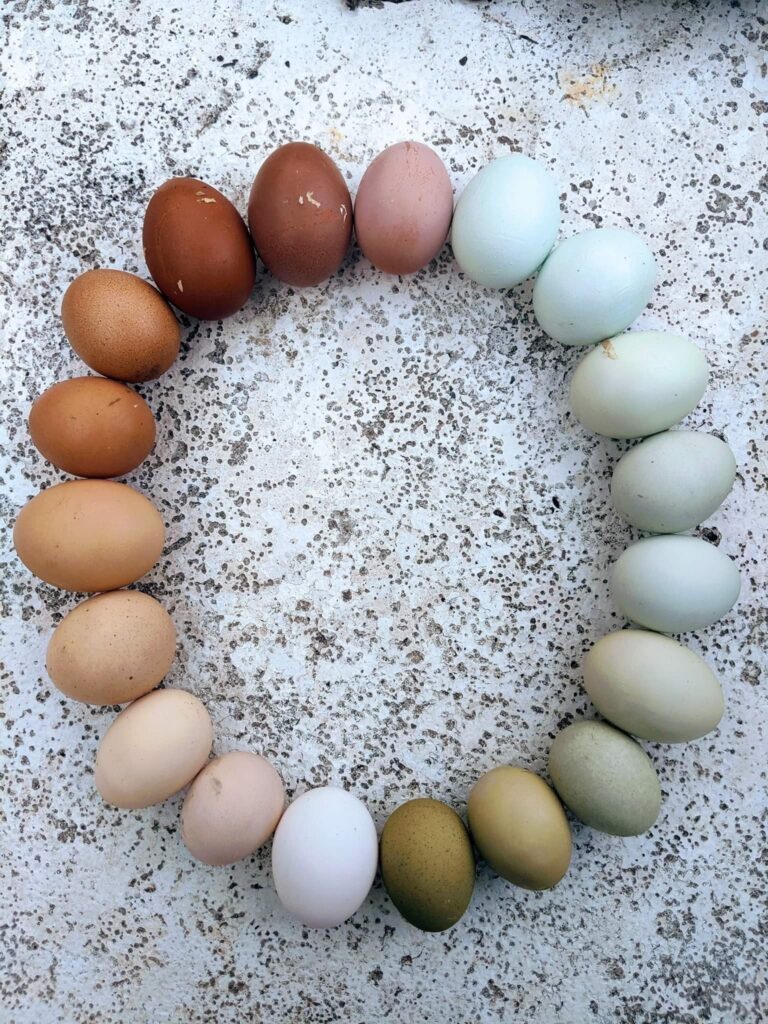
Easter Egger Chicken Egg Colors
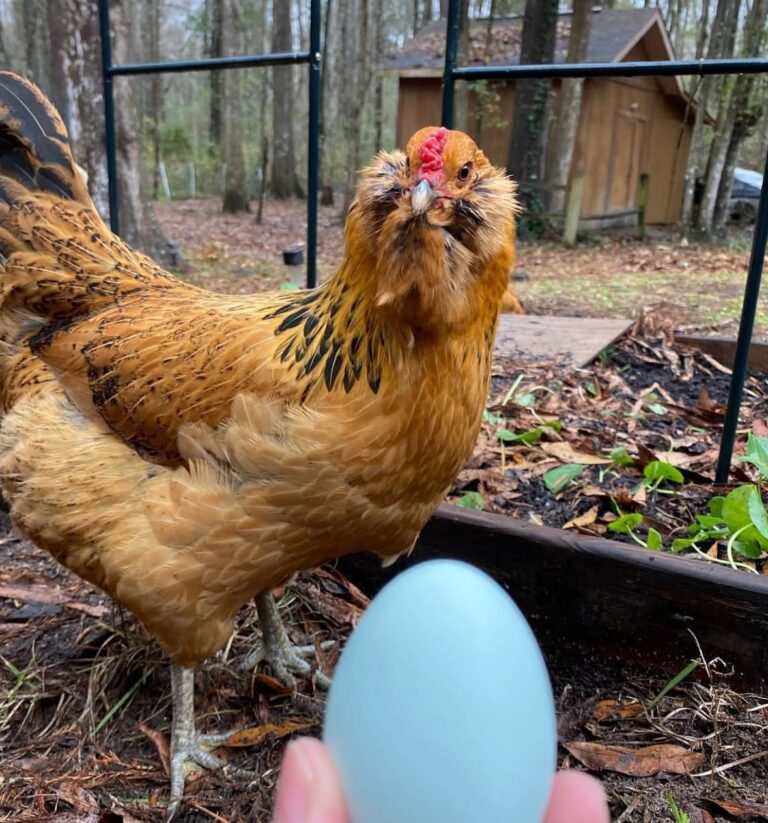
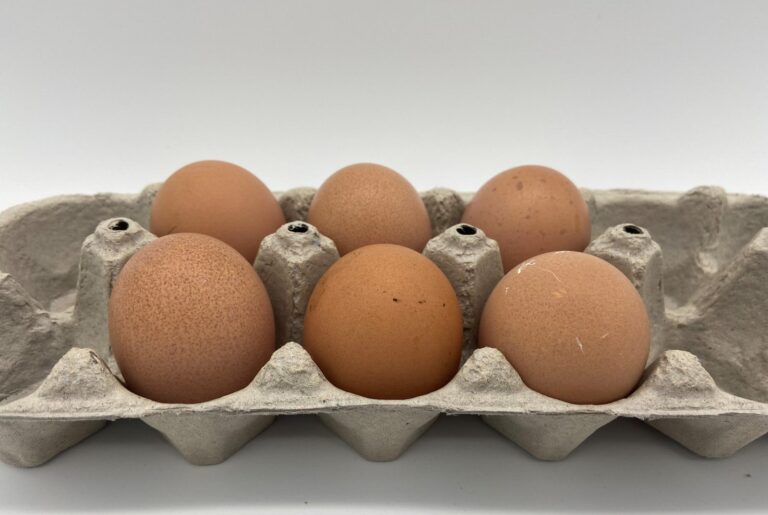
One of the most searched topics is easter egger chicken egg colors—and for good reason. Easter Eggers can lay a range of shades such as:
Why Do Egg Colors Vary?
Egg color depends on genetics, and Easter Eggers are genetically diverse. Even chicks from the same group can grow up laying different shades.
Tip: A hen usually lays the same color consistently through the season, though shade can lighten slightly as she ages or during high production periods.
If you’re trying to identify an easter egger rooster vs hen, here are the most reliable signs as they mature (usually around 8–16 weeks for visible changes, and clearer by 16–24 weeks).
Rooster Signs
-
Larger, brighter comb and wattles earlier
-
Pointed saddle feathers (near the tail) as they mature
-
Longer, curved tail feathers
-
Thicker legs and more upright posture
-
Crowing (later on)
Hen Signs
-
Smaller comb and wattles (often less red early)
-
Rounder feathering overall
-
No long “sickle” tail feathers
-
Begins laying eggs around 18–26 weeks (varies)
Because Easter Eggers vary so much in appearance, the best approach is to watch for a comb/wattle jump and the development of pointed feathers near the back and tail.
An easter egger bantam (also searched as bantam easter egger) is a smaller version of the Easter Egger type. Bantams are popular for people who want:
Often yes—bantam easter egger hens can lay blue/green shades too. The eggs may be smaller than standard size, but the color can be just as vibrant.
A silked easter egger typically refers to an Easter Egger that has traits influenced by Silkie genetics—often softer feather texture and sometimes fluffier appearance. These birds can be especially popular because they combine:
Because “silked” Easter Eggers are often mixed lines, egg color and appearance can vary more than usual. If egg color is your #1 goal, ask for parent egg color history when possible.
Temperament and Care: Are Easter Eggers Good Backyard Chickens?
Yes—many easter egger chickens are known for being:
-
Curious and friendly
-
Good for families
-
Active foragers
-
Generally hardy
Basic Care Checklist
-
Predator-proof coop and run
-
Clean water daily
-
Quality layer feed once laying begins
-
Nest boxes (1 per 3–4 hens)
-
Grit and oyster shell available as needed
When shopping for easter egger chickens for sale, pay attention to the details that matter most for your goals.
If You Want Eggs Soon
Look for easter egger pullets for sale—pullets are young hens close to laying age. Ask the seller:
-
Age in weeks
-
Whether they’re vaccinated (if applicable)
-
What feed they’re currently on
-
Any known egg color history from the line
If You Want Specific Egg Colors
Because Easter Eggers vary, “Easter Egger” alone doesn’t guarantee the exact shade you want. If possible, buy from a breeder who tracks egg colors in their lines.
If You Want a Quiet, Egg-Focused Flock
Avoid accidental roosters by:
-
Buying sexed chicks (not always perfect)
-
Buying pullets (more reliable)
-
Learning rooster signs early (easter egger rooster vs hen)
Chicks
Pullets
Adults
-
Eggs sooner (if currently laying)
-
Harder to integrate into an existing flock sometimes
-
Ask about laying history and health
FAQ About Easter Egger Chickens
When do Easter Eggers start laying?
Many begin laying around 18–26 weeks, depending on season, nutrition, and genetics.
Are Easter Eggers the same as Ameraucana?
Not exactly. Ameraucana is a recognized breed with set standards. Easter Eggers are a type/mix that carries egg color traits.
Can Easter Eggers lay brown eggs?
They’re best known for blue/green/olive shades. Some lines may produce lighter tan tones, but bright blue/green is the usual expectation.
Final Thoughts: Choosing the Right Easter Egger Chicken
Whether you want a standard easter egger chicken, a compact easter egger bantam, or a unique silked easter egger, Easter Eggers bring variety and color to any backyard flock. If you’re shopping eiaster eggers for sale, pullets are often the easiest path to colorful eggs wthout the wait—and learning easter egger rooster vs hen helps you build the flock you actually want.